Unbeaten Tracks
Traveling with Old Books and Sound

I am a Shinto priest.
But I am also a traveler, and a walker.
Walking is one of my deepest pleasures. As I walk through towns, along rivers, past old shrines and forgotten waterways, I sometimes feel as if the wind itself is cleansing me.
In Shinto, kami are enshrined in particular places. And yet I do not feel that they remain still. Sometimes, as I walk, I imagine the kami moving through the world like wind, brushing against us before we even notice.
This does not mean that I am a psychic. I think it is something older and more ordinary: a sensitivity to the spiritual presence of nature, the kind of sensitivity ancient people may have carried in daily life.
Perhaps walking is one way to recover it.
That is why I often suggest walking — not only as exercise or sightseeing, but as a way of letting the world touch you.
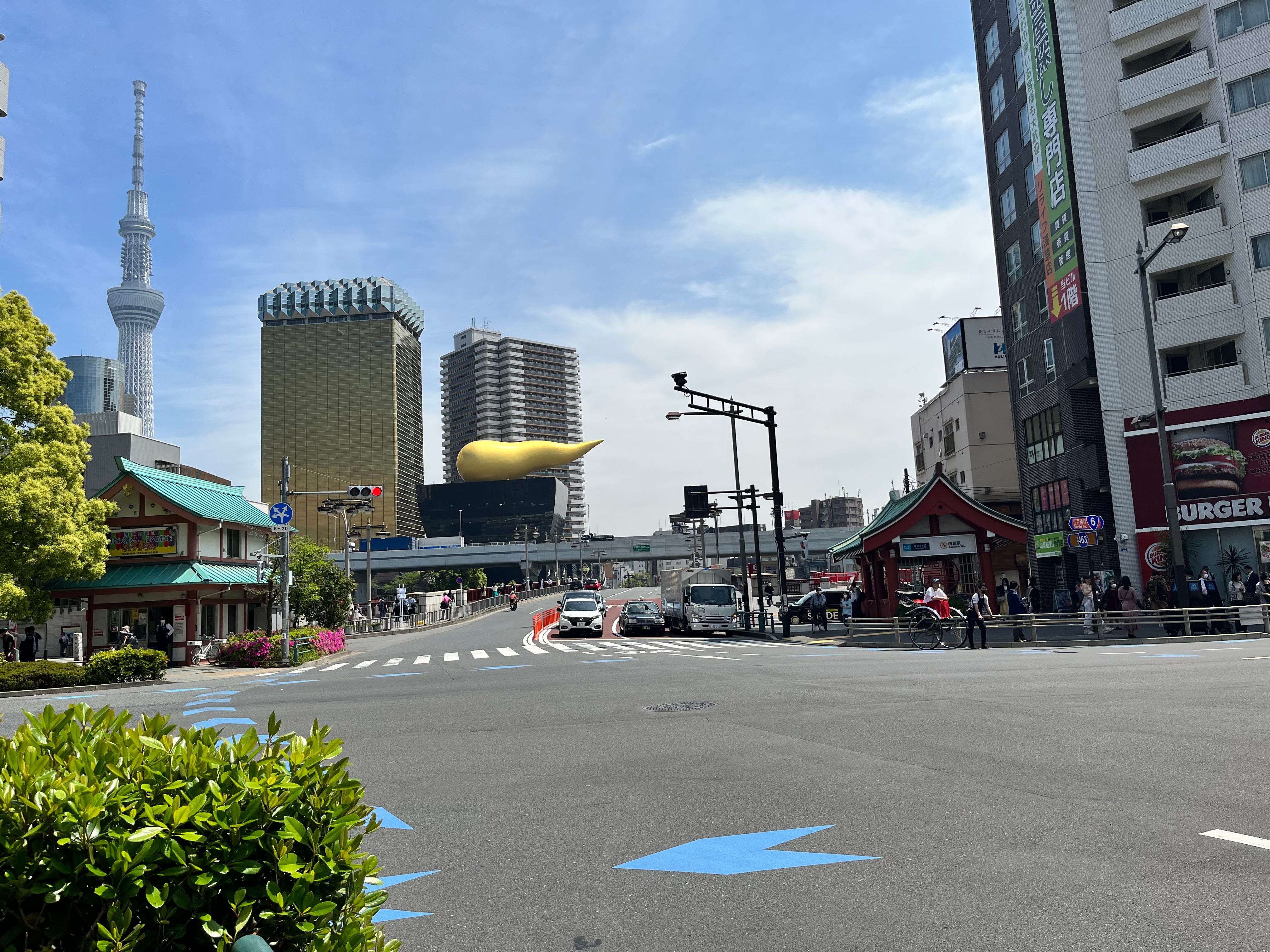
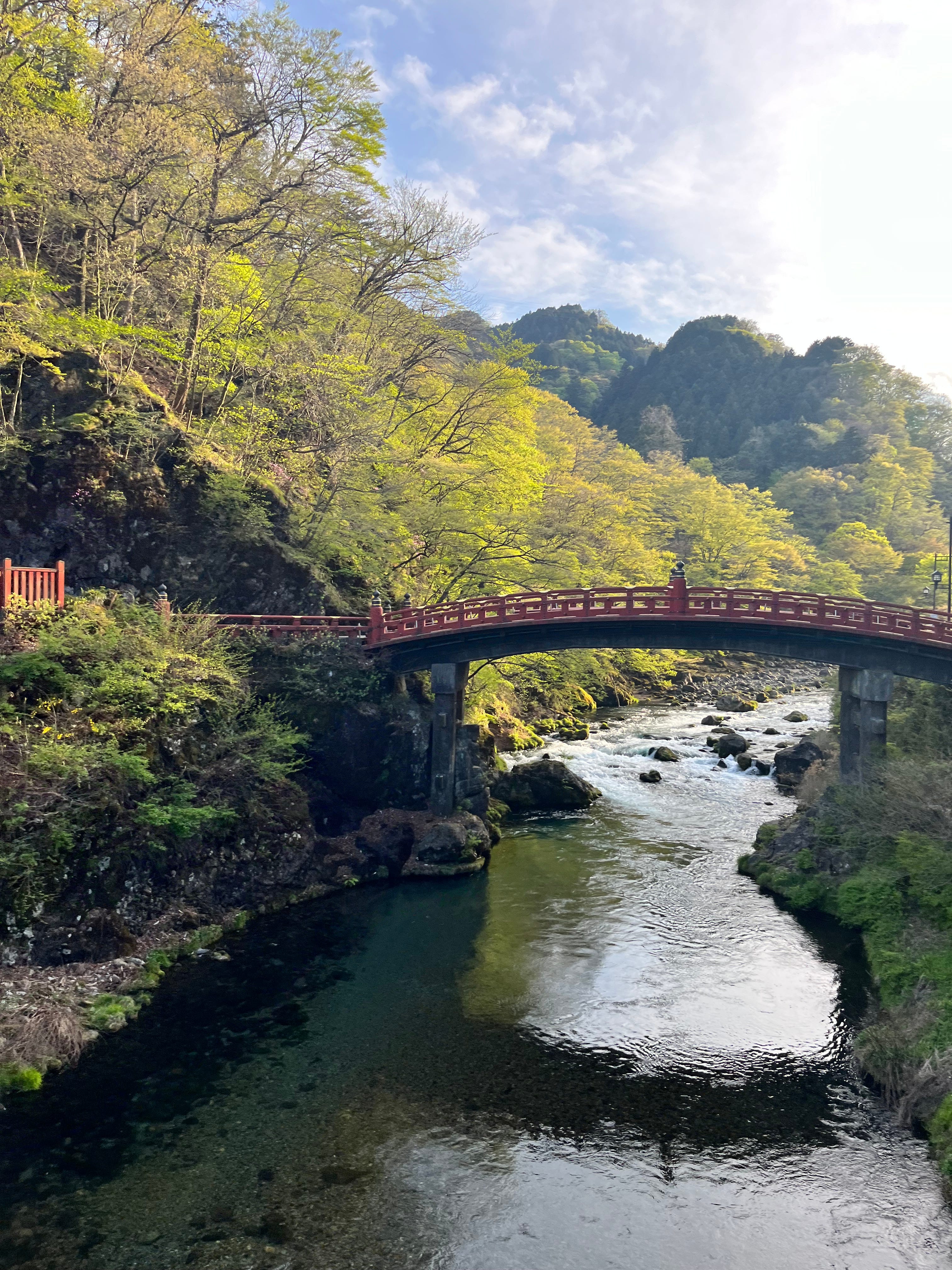
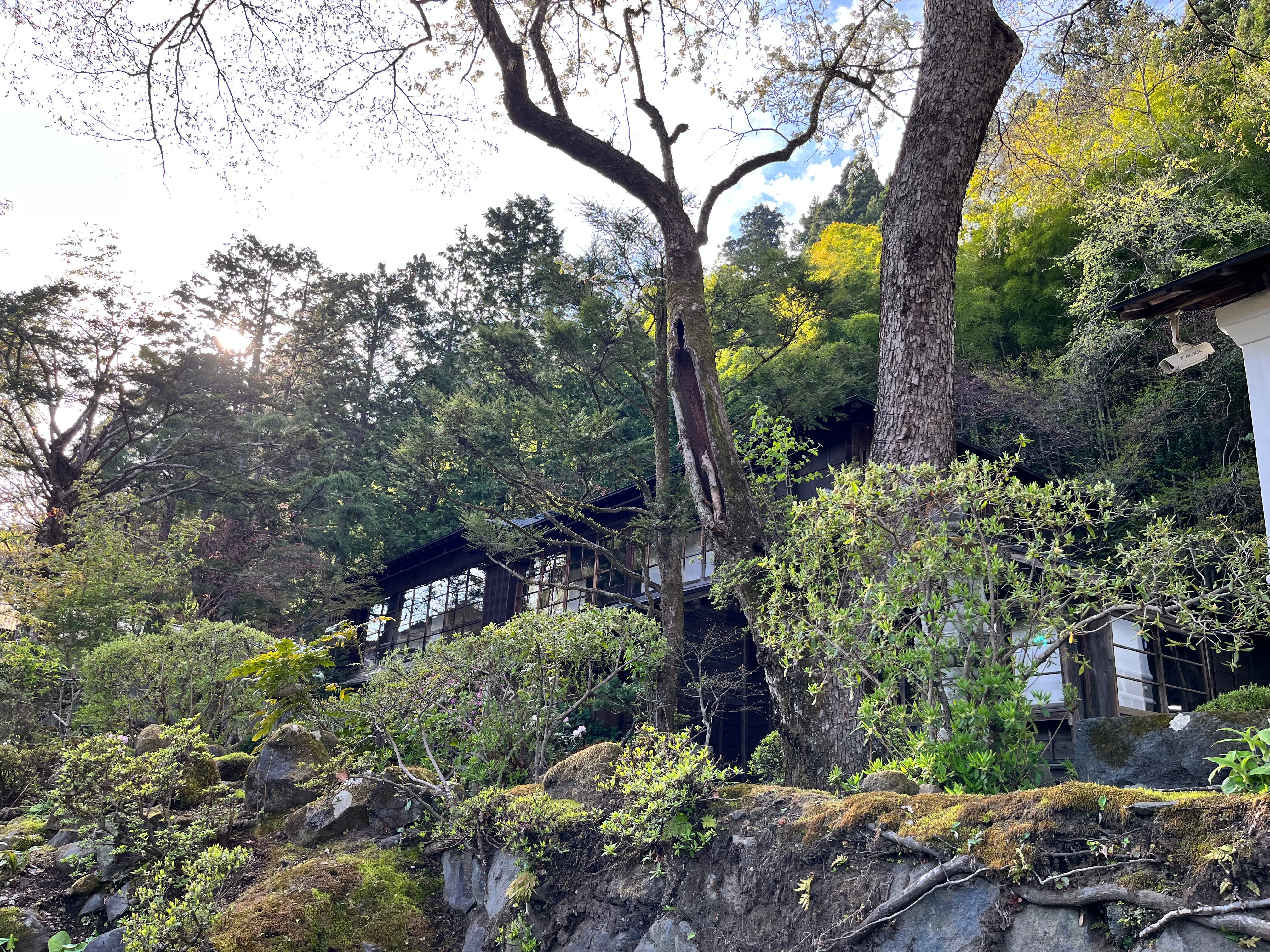
This essay begins with such a walk, in Nikkō, between Kanaya Hotel and Kanaya Cottage Inn.
***
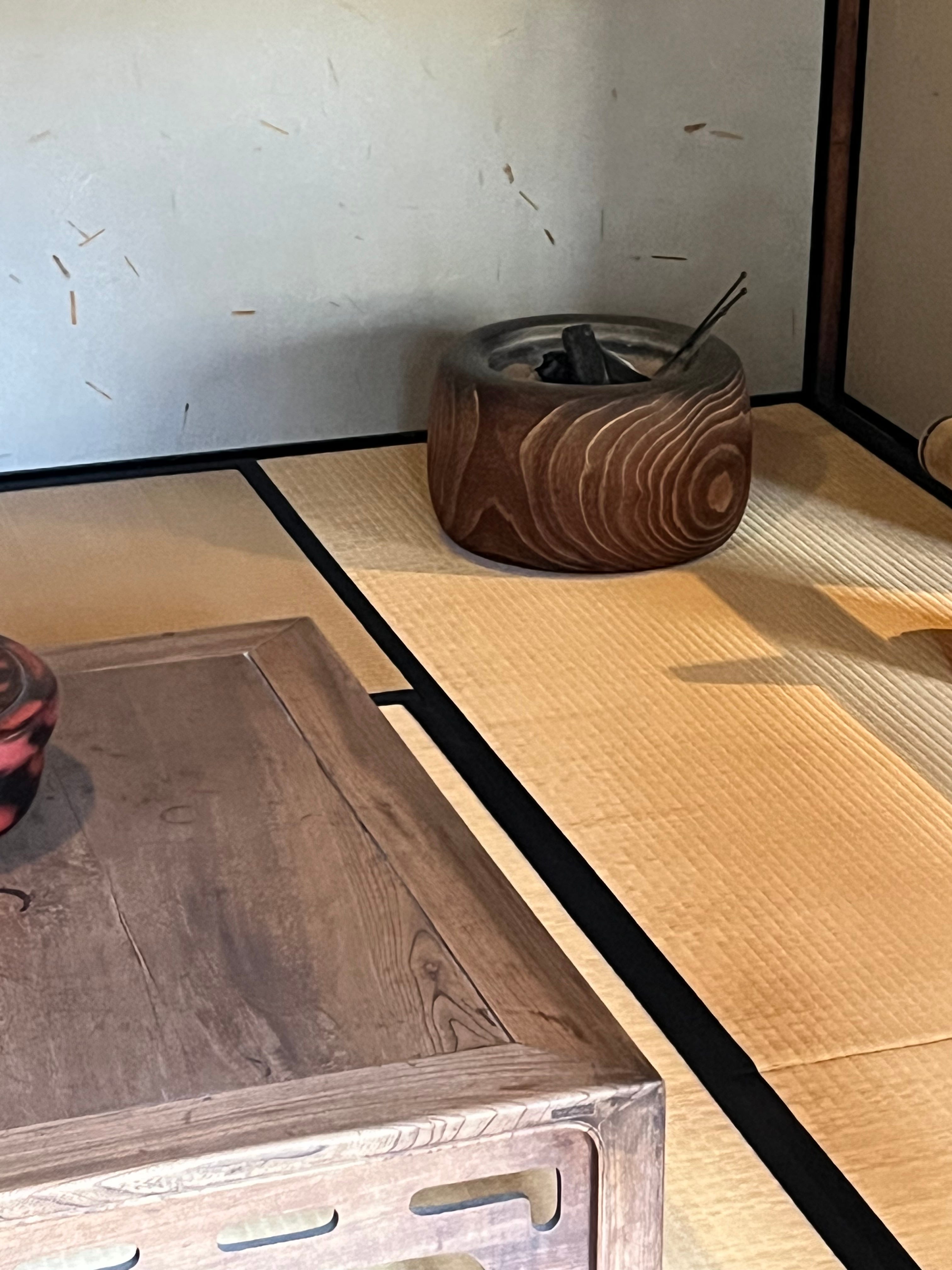
When I visited Kanaya Cottage Inn, every room had a hibachi brazier — even though it was late spring, already leaning toward summer.
It was not merely a charming furnishing in an old Japanese house.
It was a trace of music.
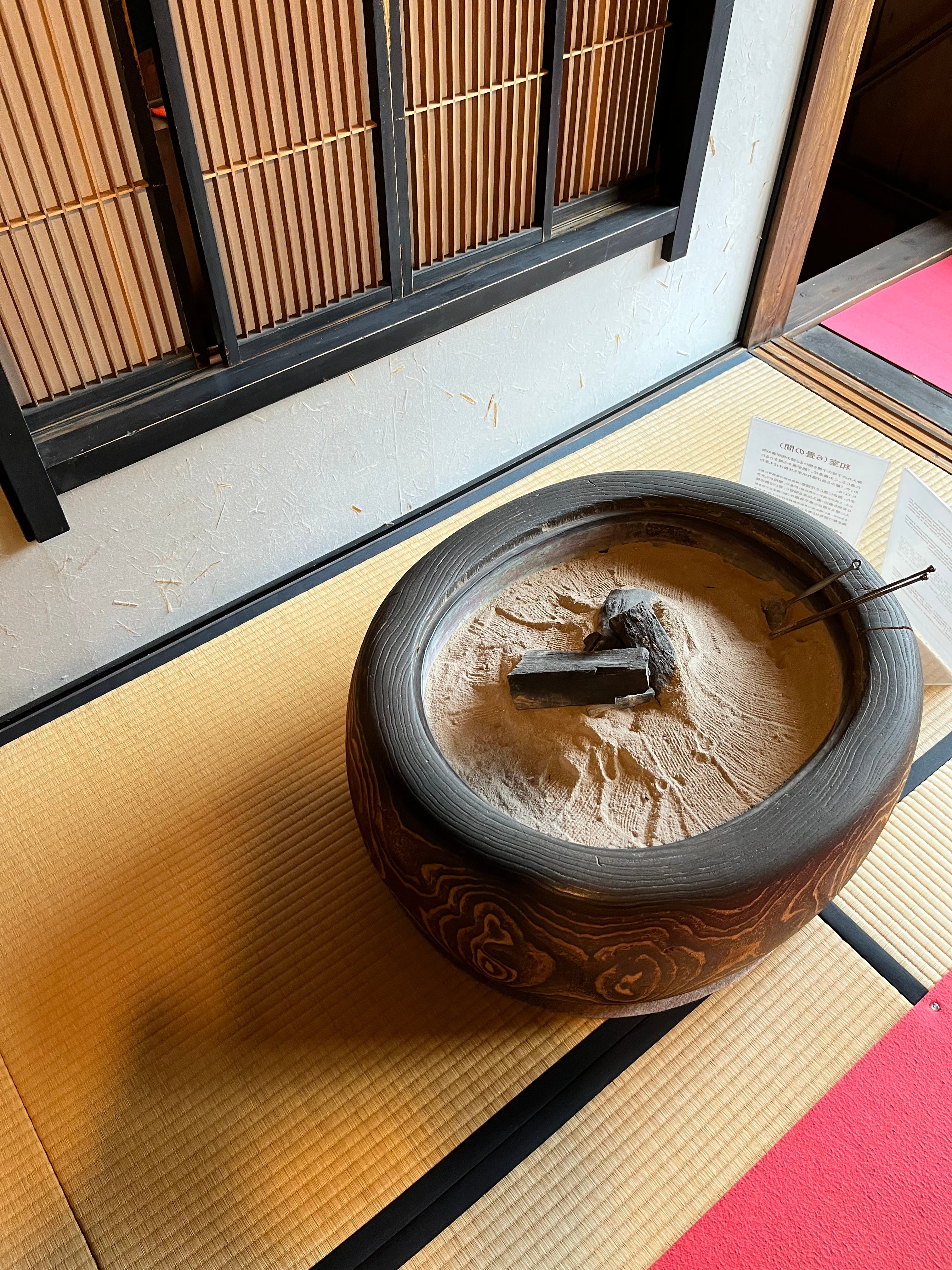
This house had once belonged to a family of gagaku musicians.
The Kanaya family served as musicians at Nikkō Tōshōgū Shrine. In gagaku, the classical court music of Japan, there are three main wind instruments: the shō, the ryūteki, and the hichiriki. Together they are called the sankan, the three winds. In earlier times, each family inherited a particular instrument. If you were born into a shō family, you played the shō. If you were born into a ryūteki family, you played the ryūteki. If you were born into a hichiriki family, you played the hichiriki.
The Kanaya family was a shō family.
And the shō needs fire.