


This is the third installment in a series about Susanoo, one of the best-known and most beloved kami in Japanese mythology. I am a practicing Shinto female priest, and as you may have noticed by now, I am extremely fond of him.
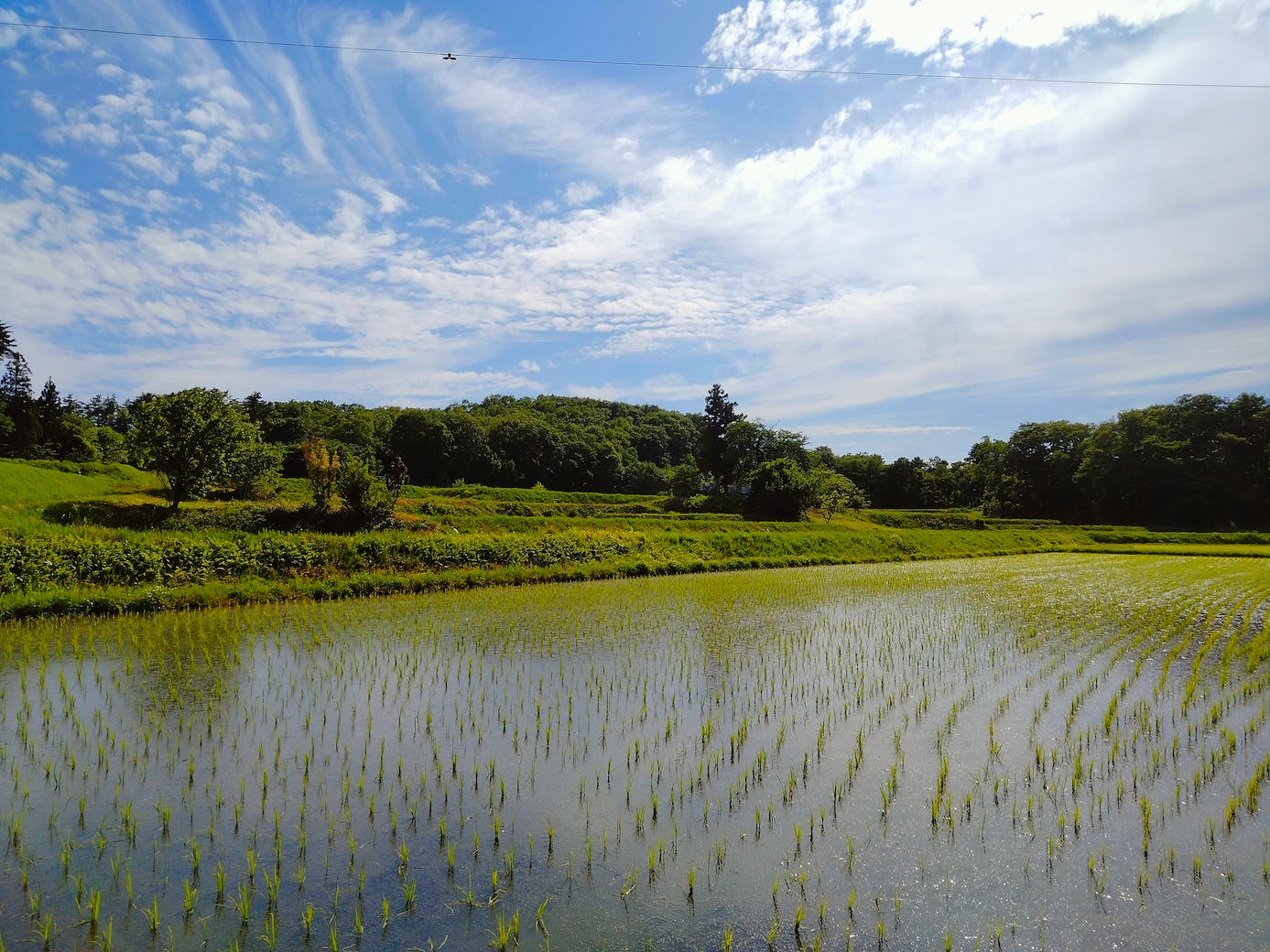
So far, Susanoo has been born, wept endlessly because he wanted to see his mother, and been banished by his father. He then went to Takamanohara to bid farewell to his elder sister, Amaterasu, challenged her to an ukehi, and won. Carried away by his victory, he destroyed the ridges around Amaterasu’s rice fields, filled in their irrigation channels, and scattered excrement in the sacred hall where she ate the year’s new harvest.
***
The first time I properly read the Kojiki was after I had married into a hereditary shrine family and decided to become a Shinto priest. I was attending a training course at Kyoto Kokugakuin when I came across this passage and thought, “Well, well. So there were rice fields in Takamanohara too.”
My generation was not taught Japanese mythology in public school. From junior high onward, I attended a private Christian school, so I had never read the Kojiki. Today, Japanese mythology has become more familiar through anime and video games. Even so, I suspect that most people still imagine Takamanohara as a soft, sparkling white world somewhere above the clouds. Amaterasu is there at its fluffy center, shining. That was the extremely vague image I had, too.
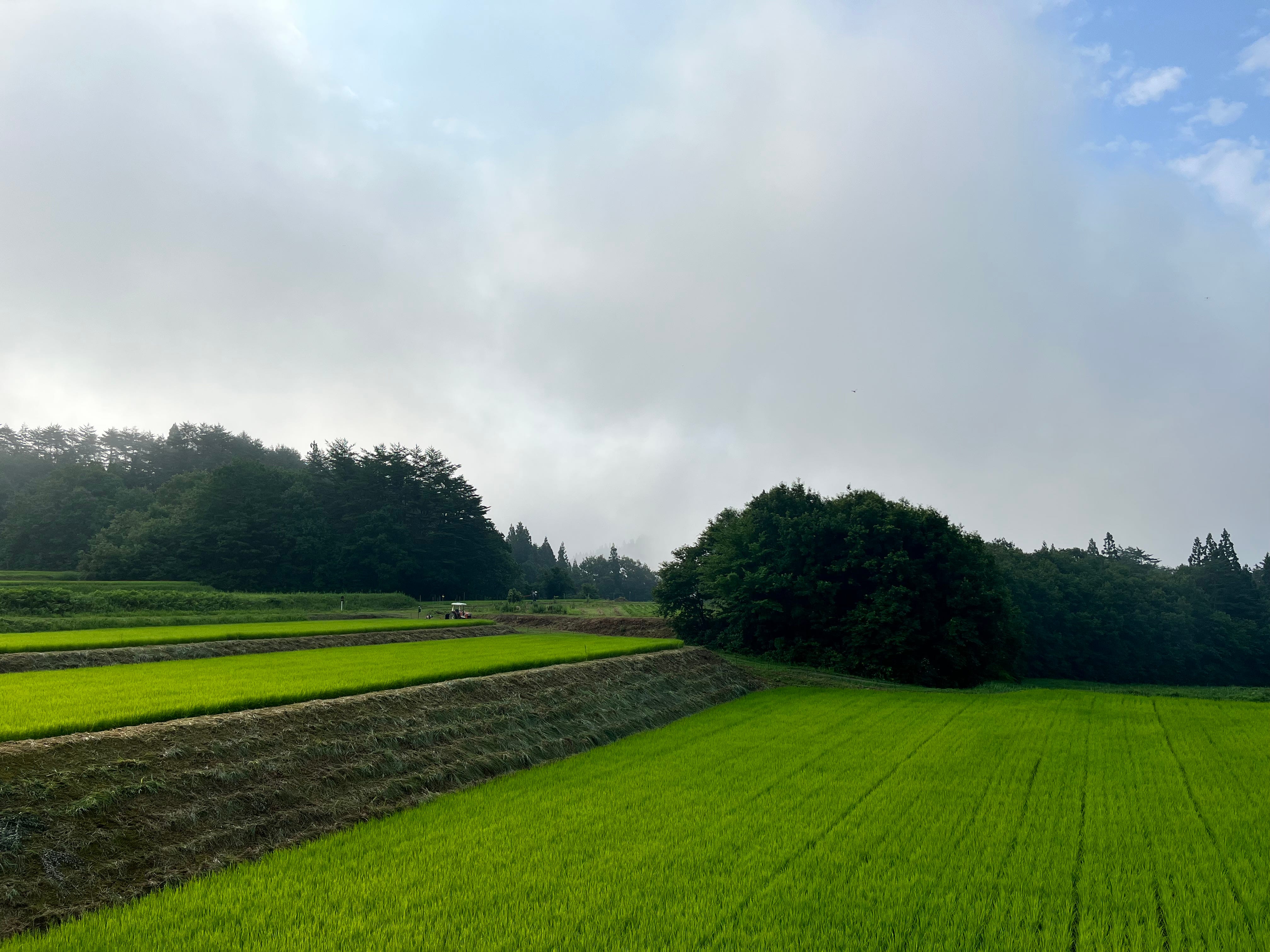
But when I actually read the Kojiki, I discovered that Takamanohara has rice fields tended by Amaterasu. If there are rice fields, there must also be earth, ridges between the paddies, and irrigation channels. Naturally, the kami eat the rice harvested there. They do not live on mist.
There is also a weaving hall where cloth is woven for the garments worn by the kami. Amaterasu is not floating dreamily among the clouds. She has built a solid palace on firm ground and lives inside it, eating sacred foods such as rice offered to her.
There, I found the ancient way of life I long for—a life in which living itself is everything. Drinking water. Growing grain, harvesting it, and eating it. Weaving cloth, making clothing, and wearing it. Purifying the body and keeping it clean. Building a sound structure and sleeping safely within it.
Each of these actions is life itself. Each is also a sacred ritual.
Amaterasu was a goddess who continued to shine her light upon this “life itself,” and who would even arm herself in order to protect it.
At first, this surprised me. But as the story of the Kojiki progresses, it gradually becomes a story of the human world, and the boundary between the two grows indistinct. Roughly speaking, if we trace our ancestors far enough back, we eventually arrive in the age of the kami. Our ancestors were kami—that is the basic understanding.
Incidentally, the family I married into is a hereditary shrine family, and my husband is the 123rd generation. When I was first shown the family genealogy, the very first ancestor listed there was a kami called Hinatori-no-Kami.
A kami in the family tree.
That astonished me at the time. Now, it feels perfectly ordinary.
***
After destroying the rice fields tended by Amaterasu in Takamanohara and scattering excrement where she ate, Susanoo turned his attention to the weaving hall.
“Imagine the mess I could make of this!”
Amaterasu herself happened to be inside the hall at the time, where the hatorime, the weaving women, were making sacred garments for the kami.
Then everyone heard a cracking sound above their heads.
Crack, crack, crack.
They looked up to see part of the roof breaking open. Through it fell a horse, its hide flayed backward.
One of the weaving women was so startled that the loom’s shuttle pierced her genitals, killing her.
Unable to endure any more of Susanoo’s violence, Amaterasu opened the stone door of the Heavenly Rock Cave, went inside, pulled it shut behind her, and refused to come out.
***
Until now, some readers may have found Susanoo’s boyishness rather endearing. This particular rampage, however, probably left even them recoiling in horror.
“The poor horse!”
“Dying because something pierced her genitals? That is far too painful even to imagine!”
“This is gruesome.”
Let us set those reactions aside for a moment and consider what Susanoo’s bizarre behavior might mean.
To flay an animal “backward” means removing its hide from the rump rather than in the usual direction. In the ancient world I love so much, where every act of daily life was also a ritual, the skinning of an animal must itself have been ritualized and, in particular, charged with magical significance. To perform that ritual in reverse was, I think, an anti-ritual act.
The place where Susanoo dropped the backward-flayed horse through the broken roof was a weaving hall. Inside, sacred garments were being woven for the kami to wear during rituals. At the time, such garments would have been made from silk or hemp.
***
When I was little, I once visited relatives in the countryside and heard the silkworms they raised in a large room munching noisily on mulberry leaves. The sound astonished me. In Japanese, a silkworm is a kaiko, but we called them okaiko-san, adding both the honorific prefix o and the honorific suffix san.
Those okaiko-san would eventually spin beautiful cocoons. We humans received those cocoons, made silk thread from them, then wove that thread into cloth. Whenever I wear a silk kimono, I remember the sound of the okaiko-san munching on mulberry leaves. The memory gives me energy, as though I were wearing the force of that life itself.
My point is this: whether silk or hemp, cloth begins as thread filled with the fresh, warm energy of animal or plant life. We take those threads, set the warp and weft in order, and weave them tightly into cloth. The weaving hall was a place where life energy was brought into order and made into something to wear on the body.
Throwing into that space “a horse stripped of the skin that had covered its body” seems to me a departure from Susanoo’s earlier pursuit of “something incredible.” This was more than destruction. It was an act against the place itself: the hurling of destruction and death into a space of life and order.
Did that not contradict the result of his ukehi with Amaterasu, which had supposedly proved the absence of any rebellious intent? Even I, with all my fondness for Susanoo, could not help wondering.
The Kojiki itself, however, moves briskly from one event to the next—from the fall of the horse to the piercing of the weaving woman’s genitals by the shuttle and her death. Nothing reveals Susanoo’s intention. Nor can I be the only person wondering how, physically, something could end up piercing a woman’s genitals in such a situation.
The punk rocker and novelist Machida Kō supplements this part with a little of his own imagination in his Kōyaku Kojiki:
“One of the weaving women leapt boing! high into the air in sheer terror. Then she came back down. Unfortunately, right where she landed was a pointed part of the loom. It pierced her genitals.
‘Aaaaaarrrrrgggghhhhh!’
She screamed in agony, then died.”
Whatever the exact circumstances, the weaving woman’s death was not something Susanoo did to her directly. But her death began with his destruction of that ordered space.
***
Writing this reminded me of something.
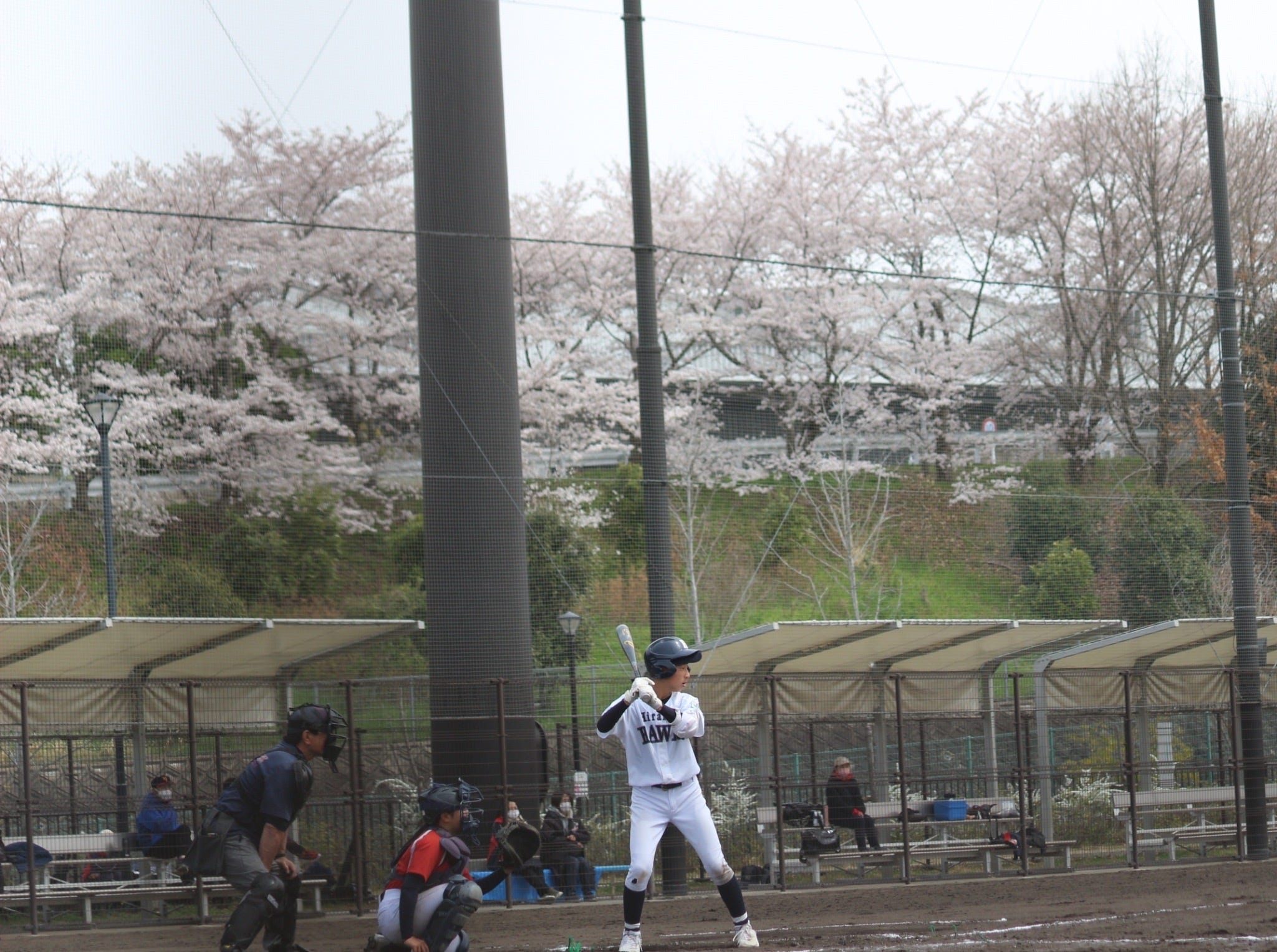
When my son was in junior high school, he was what you might call a troublemaker. His teachers called me almost every day. Once, I was summoned to school after he punched an older student. During the pandemic, he also broke several of the partition screens placed on the students’ desks. When I asked him why, he said they bent and snapped much more easily than he had expected, and he found it entertaining.
One day, the school called again.
“Not again,” I thought as I answered the phone.
The teacher said, “Today, your son grabbed a friend’s indoor shoes and ran through the classroom with them. The friend chased after him. Another friend tried to stop them by slamming the classroom door shut with tremendous force. A completely uninvolved student standing nearby got his fingers caught in the door and has now gone to the hospital. We would like you to apologize to his parents.”
For a moment, I thought, “They called me over that?”
But my son played baseball. The boy whose shoes he had taken played rugby. The boy who slammed the door played tennis. All three were big, strong boys. Even their fooling around and running through a room carried the risk of destroying whatever happened to be around them.
My heart began pounding.
“What if the boy whose fingers were caught in the door is a promising young pianist? What if he can never play the piano again?”
About twenty minutes later, the teacher called back. There was no damage to the bone, the pain had subsided, and no apology would be necessary. I breathed an enormous sigh of relief.
If the boy had been seriously injured, however, I could not have said that my son bore no responsibility. After all, the whole thing began with him grabbing his friend’s shoes and running away.
***
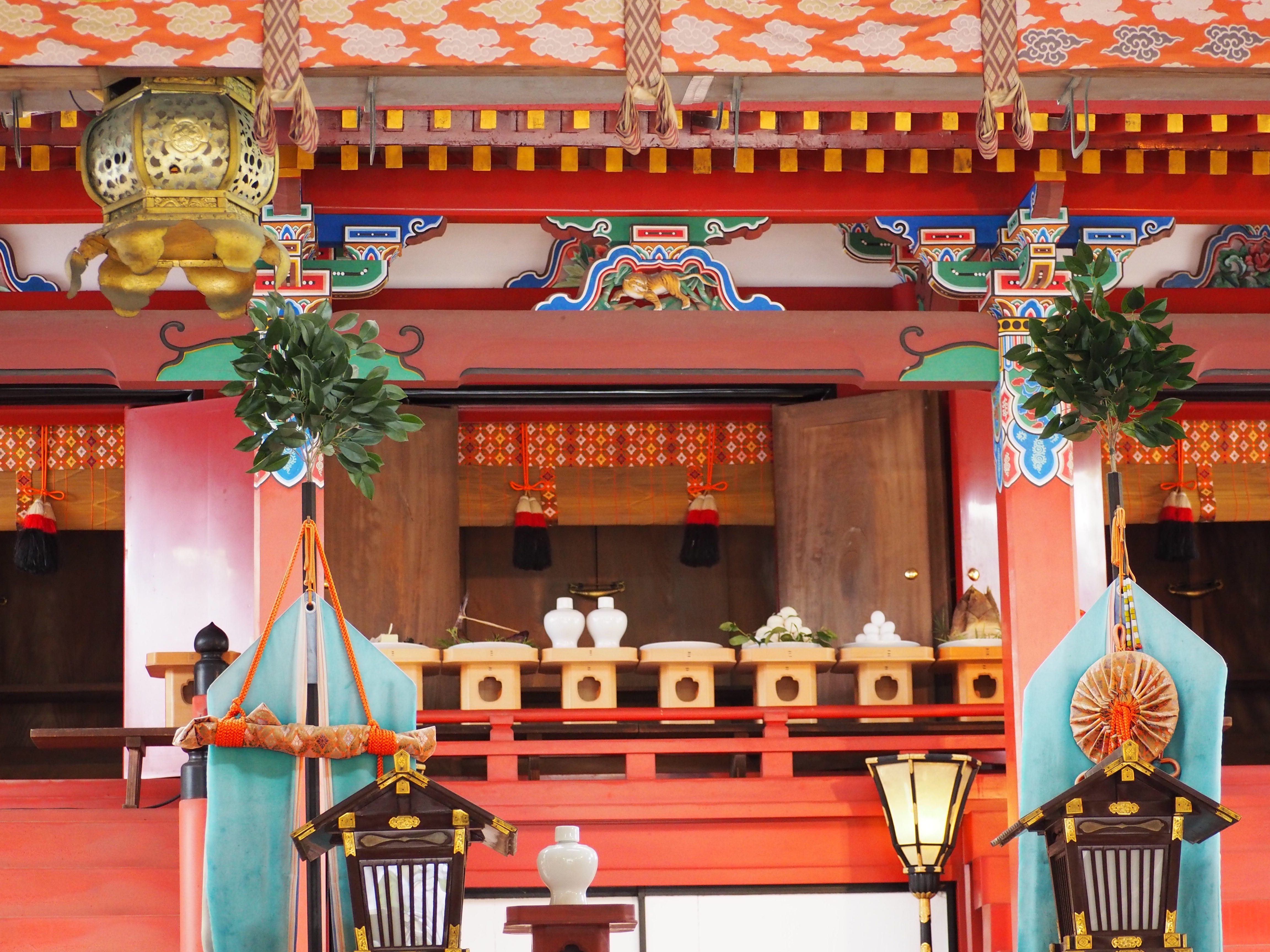
Let us return to the Kojiki.
Immediately after Susanoo’s rebellious act of flaying a horse backward and dropping it through the roof, a weaving woman present in the hall dies “indirectly.” I sense a certain kind of balance in the Kojiki here.
Had Susanoo killed the weaving woman with his own hands, I imagine that Amaterasu—herself a formidable warrior—would have fought back. Violence would have met violence.
But the event that shocked everyone most was not something Susanoo had deliberately done. Perhaps that is why Amaterasu did not fight back. Instead, she hid herself inside the Heavenly Rock Cave. Darkness covered the world. The other kami found themselves in terrible trouble and had to work out what to do.
A crisis brought about by the confrontation between Susanoo and Amaterasu: how will the other kami resolve it?
The answer, in fact, is the sort of answer that makes you say, “Whaaaat?” —and then smile.
This is already getting long, so I will stop here. We still have not reached Yamata no Orochi!
See you again next Tuesday, together with Susanoo.
Too short. Now I have to wait impatiently for next week to make the comment I expected to make today :-(
I hope your son has become a bit less Susanoo-esque, Momoko! 😅